What Makes Bare Nickel Plated Copper Wire a Reliable Industrial Material?

Industries that depend on electrical connections need materials that offer good conductivity, durability, and resistance to demanding working conditions. Copper is widely used in electrical applications because it allows current to flow with relatively low resistance. However, some applications also require additional protection on the conductor surface.
This is where Bare Nickel Plated Copper Wire becomes useful. It combines a copper core with a thin nickel coating that helps protect the surface from oxidation and supports its use in certain high-temperature and industrial environments.
From electrical equipment to specialised wiring systems, nickel plated copper wire is used where both electrical performance and surface protection matter. Understanding its properties can help manufacturers, engineers, and industrial buyers select the right material for their requirements.
What Is Bare Nickel Plated Copper Wire?
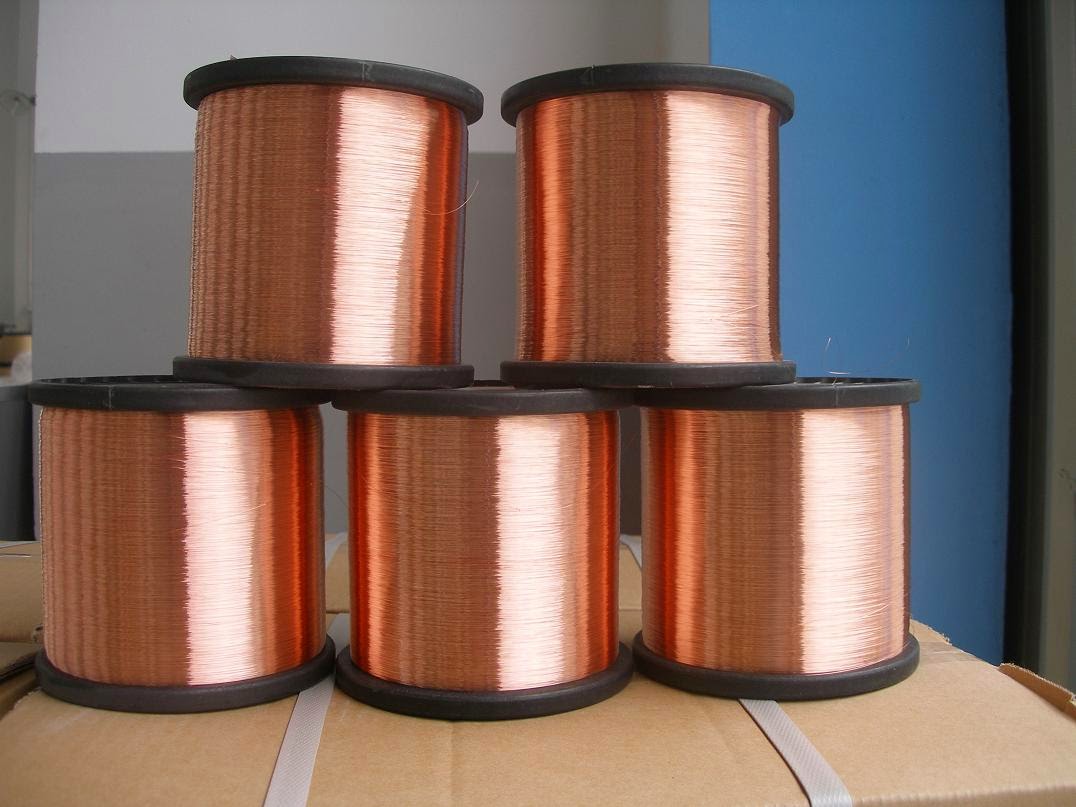
Bare nickel plated copper wire is a copper conductor covered with a thin layer of nickel. The copper core carries electrical current, while the nickel coating provides a protective surface.
The nickel layer is applied through a controlled plating process to create a coating around the copper conductor. The quality and thickness of this coating depend on the intended application and product specifications.
Both metals play different roles:
Copper: Provides good electrical conductivity and helps carry current efficiently.
Nickel: Offers surface protection and better resistance to oxidation under suitable operating conditions.
This combination makes nickel coated copper wire useful in applications where ordinary copper wire may require additional surface protection.
Key Properties of Bare Nickel Plated Copper Wire
The performance of nickel plated copper wire depends on its copper quality, coating thickness, manufacturing process, and operating environment. Some of its important properties include the following.
1. Good Electrical Conductivity
Copper is known for its ability to conduct electricity efficiently. Since the core of nickel plated copper wire is made from copper, it retains the electrical properties that make copper suitable for electrical and electronic applications.
The nickel coating does not increase the bulk conductivity of copper. Its main purpose is to protect the conductor's surface.
2. Improved Resistance to Oxidation
Copper can develop an oxide layer when exposed to air and certain environmental conditions. Nickel plating helps protect the copper surface from direct exposure, reducing oxidation under suitable conditions.
This property can be useful in electrical connections and industrial equipment where surface condition matters.
3. Suitable for Certain High-Temperature Applications
Nickel has good heat resistance compared with many commonly used coating materials. A nickel coating can help protect the copper surface in applications involving elevated temperatures.
However, the maximum operating temperature depends on the wire construction, coating, insulation, and overall application requirements. Buyers should always check the manufacturer's specifications.
4. Better Surface Protection
The nickel layer provides a protective barrier around the copper conductor. When properly applied, it helps improve resistance to surface deterioration and supports use in suitable industrial environments.
5. Mechanical Reliability
Nickel plated copper wire combines a conductive copper core with a protective outer layer. The coating must be properly bonded and consistent to withstand the handling and forming required by the intended application.
Why Is Nickel Plating Important for Copper Wire?
Nickel plating is important because it adds a protective layer without replacing the copper core. This is useful in applications where the conductor may face heat, oxidation, or specific environmental conditions.
For example, electrical components used in industrial equipment may experience higher operating temperatures than ordinary household wiring. In such cases, a suitable nickel plated conductor can offer surface protection that meets the application's requirements.
The quality of the plating process matters because an uneven or damaged coating may reduce its protective benefits.
Buyers should pay attention to:
Uniform nickel coating across the wire surface.
Suitable coating thickness for the intended use.
Proper bonding between nickel and copper.
Consistent conductor dimensions.
Compatibility with the operating environment.
Choosing the correct coating specification helps ensure that the wire performs as expected.
Common Industrial Applications of Nickel Plated Copper Wire
Nickel plated copper wire is used in several industries where electrical conductivity and surface protection are important.
Some common applications include:
Electrical and Electronic Equipment: Used in selected electrical components and connections that require a protected copper conductor.
Industrial Heating Systems: Suitable for certain wiring and connection requirements involving elevated temperatures.
Automotive Components: Used in specialised electrical connections where operating conditions require a nickel coated conductor.
High-Temperature Wiring: Applied in wiring systems designed for environments where ordinary conductor coatings may not be suitable.
Industrial Cables: Used in specialised cable designs where the conductor's surface protection is an important requirement.
Electrical Connections: Suitable for components that need a conductive copper core with a nickel-protected surface.
The exact application depends on the wire's diameter, coating thickness, temperature rating, and electrical requirements.
Factors to Consider When Choosing Nickel Plated Copper Wire
Selecting the right wire requires more than checking its appearance or price. Industrial buyers should review the technical details before placing an order.
Here are some important factors to consider:
Copper Quality: Check the quality and consistency of the copper conductor, as it directly affects electrical performance.
Nickel Coating Thickness: Make sure the coating meets the requirements of the intended application.
Wire Diameter and Gauge: Choose the correct conductor size based on current requirements and equipment design.
Temperature Requirements: Check whether the wire is suitable for the operating temperature of the application.
Electrical Performance: Consider resistance, conductivity, and the required current-carrying capacity.
Manufacturing Consistency: Look for uniform dimensions and a properly applied nickel coating.
Application Standards: Check relevant technical standards and specifications before purchasing.
Discussing these requirements with the supplier can help prevent problems caused by selecting an unsuitable conductor.
How to Identify a Reliable Nickel Plated Copper Wire Supplier
Finding a dependable supplier is just as important as selecting the right wire. Industrial buyers often need consistent materials for regular production and maintenance work.
Before choosing a supplier, consider the following points:
Clear Product Specifications: The supplier should be able to explain conductor size, coating thickness, and available wire options.
Consistent Quality: Check whether the supplier follows suitable quality checks during production.
Product Availability: Regular stock and clear delivery timelines are important for bulk buyers.
Technical Information: A supplier should be able to answer basic questions about product suitability and specifications.
Fair Pricing: Compare prices while considering material quality and product requirements.
These checks can help manufacturers, distributors, and electrical businesses make better purchasing decisions.
Why Consider Ganpati Wires for Industrial Wire Requirements?
When sourcing industrial wires, buyers should focus on product specifications, material quality, and consistency. Choosing a supplier who understands different electrical requirements can make the purchasing process easier.
Ganpati Wires is a brand to consider when exploring copper wire requirements for industrial applications. Before selecting a product, buyers should discuss their required conductor dimensions, nickel coating specifications, and intended operating conditions.
Whether you are an electrical manufacturer, industrial buyer, or distributor, understanding these details helps you identify a wire that matches your application.
Also Read :- Why Flexibility Makes Stranded Copper Wire a Popular Choice
Conclusion
Bare Nickel Plated Copper Wire is a useful industrial material because it combines the electrical conductivity of copper with the surface protection offered by nickel. Its resistance to oxidation and suitability for certain high-temperature environments make it a practical choice for selected electrical and industrial applications.
However, the right product depends on copper quality, coating thickness, wire dimensions, and operating conditions. Buyers should check these details before making a purchase.
For businesses exploring industrial copper wire requirements, Ganpati Wires is worth considering. Taking time to compare specifications and product quality can help you choose a conductor suited to your electrical and industrial needs.


Comments
Post a Comment