Why Flexibility Makes Stranded Copper Wire a Popular Choice

Flexibility is an important factor when selecting electrical wire, especially when conductors need to pass through tight spaces, bend around corners, or connect to equipment that experiences movement. Stranded Copper Wire is widely used for these situations because its construction combines the electrical conductivity of copper with greater flexibility than a comparable solid conductor.
Instead of using one solid piece of copper, stranded wire contains multiple individual copper strands grouped together to form a single conductor. This design makes it easier to route and install in many electrical systems. From control panels and machinery to automotive wiring and electronic equipment, stranded copper conductors are suitable for a wide range of applications when correctly specified.
What Is Stranded Copper Wire?
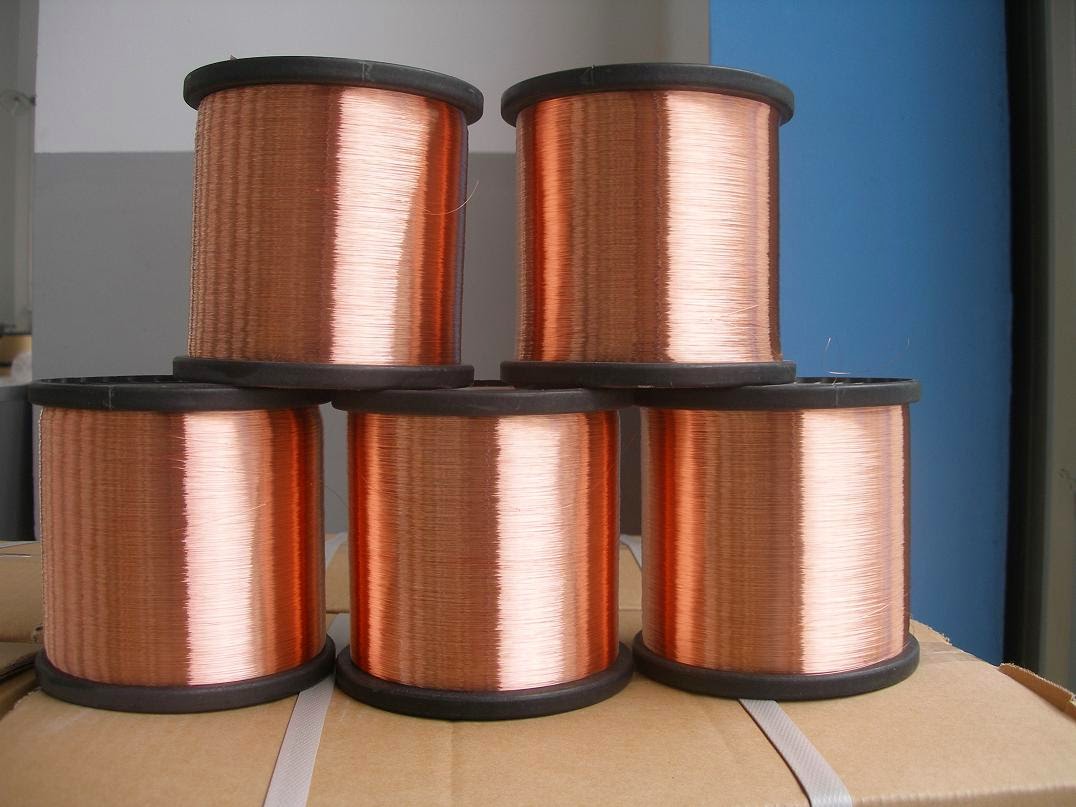
Stranded Copper Wire is an electrical conductor made from several small copper strands that are twisted, grouped, or otherwise arranged together. Although the individual strands are thin, they work together as one electrical conductor.
The main difference between stranded and solid copper wire is their construction. Solid wire contains one continuous metal conductor, while stranded wire contains multiple smaller conductors.
The number and size of strands can vary depending on the intended application. A wire designed for general electrical wiring may have a different construction from one designed for equipment that experiences frequent movement.
Copper is commonly used because of its high electrical conductivity. The stranded construction adds mechanical flexibility, making this type of wire particularly useful where installation and movement are important considerations.
Why Is Stranded Copper Wire Flexible?
The flexibility of stranded wire comes from its multiple small strands. Each strand can move slightly relative to the others when the conductor is bent. This allows the overall wire to bend without requiring the entire conductor to flex as one solid piece.
For example, routing a solid conductor around a sharp change in direction can be more difficult. A multi-strand copper wire can generally be bent and positioned more easily, provided the bend radius remains within the manufacturer's recommendations.
This flexibility is especially useful in electrical equipment where wires need to be moved during installation, maintenance, or equipment operation. It can also be helpful in environments where vibration or repeated movement occurs.
Key Benefits of Stranded Copper Wire
1. Excellent Flexibility
The most obvious benefit is flexibility. Multiple small strands allow the conductor to bend more easily than a comparable solid conductor.
This can make Stranded Copper Wire useful in installations involving tight routing, repeated repositioning, or limited space.
2. Easier Installation
Flexible wire can be easier to route through conduits, control cabinets, panels, and equipment. It can also make connections easier where the available space is limited.
However, installers should still avoid excessive bending, twisting, or pulling. Proper installation practices are important for maintaining the integrity of the conductor and insulation.
3. Better Suitability for Movement and Vibration
Equipment such as industrial machinery, motors, vehicles, and moving electrical assemblies may experience vibration or movement. A suitably designed stranded conductor can accommodate this movement better than a rigid solid conductor.
The actual suitability for repeated flexing depends on strand construction, insulation, bend radius, and the number and frequency of movement cycles.
4. Good Electrical Conductivity
Copper offers strong electrical conductivity, which is why it is widely used in electrical wiring and cable construction. Properly sized stranded copper wire can provide an effective path for electrical current.
Electrical performance still depends on factors such as conductor size, operating temperature, installation method, and the requirements of the circuit.
5. Reduced Installation Stress
Flexible wiring can reduce the mechanical force needed to position a conductor during installation. This can help avoid unnecessary strain on terminals and connection points when the wire is correctly routed.
6. Versatility
Stranded copper conductors are used in many types of electrical systems. Their combination of conductivity and flexibility makes them suitable for residential, commercial, automotive, electronic, and industrial applications.
Stranded Copper Wire vs. Solid Copper Wire
Both conductor types have important uses. The choice depends on the electrical and mechanical requirements of the installation.
| Feature | Stranded Copper Wire | Solid Copper Wire |
|---|---|---|
| Construction | Multiple copper strands | Single copper conductor |
| Flexibility | Generally higher | Generally lower |
| Installation | Easier for complex routing | Convenient for fixed runs |
| Movement | Better suited to movement | Better suited to stationary applications |
| Vibration | Can accommodate suitable applications | Less flexible under repeated movement |
| Handling | Flexible and easier to position | More rigid |
| Termination | May require suitable terminals | Often straightforward for compatible terminals |
Stranded wire is not automatically better than solid wire. Solid copper can be an appropriate choice for fixed installations, while stranded wire is often preferred where flexibility and movement are important.
Where Is Stranded Copper Wire Used?
Stranded Copper Wire can be found in a wide range of electrical applications, including:
- Electrical panels
- Control panels
- Industrial machinery
- Automotive wiring
- Electronic equipment
- Appliances
- Battery connections
- Power equipment
- Electrical cabinets
- Cables and harnesses
- Flexible electrical connections
- Equipment requiring frequent routing or movement
For instance, control panel wiring often benefits from flexible conductors because wires may need to be routed through compact spaces. Automotive and machinery applications can also require flexible wiring because equipment may experience vibration or movement.
The appropriate wire size, insulation, voltage rating, temperature rating, and construction should always be selected according to the specific application.
Factors to Consider When Choosing Stranded Copper Wire
Before selecting a stranded conductor, consider the following:
- Conductor size: Cross-sectional area should be suitable for the required current and installation conditions.
- Number and size of strands: These characteristics influence flexibility and construction.
- Copper material: Material quality can affect electrical and mechanical performance.
- Insulation type: Insulation should suit the voltage, temperature, and environmental conditions.
- Current requirements: The conductor should be appropriately sized for the circuit.
- Operating temperature: Consider both ambient temperature and heat generated during operation.
- Flexibility requirements: Applications involving frequent movement may require a more flexible construction.
- Environmental conditions: Moisture, chemicals, abrasion, and heat may affect material selection.
- Installation method: Routing, bend radius, and termination should be considered.
- Applicable standards: The wire should meet the relevant electrical standards and project requirements.
- Connector compatibility: Terminals and connectors should be suitable for the conductor construction.
Why Choose Ganpati Wires for Stranded Copper Wire?
When sourcing electrical wire, consistency in conductor construction, copper quality, dimensions, and insulation is important. Ganpati Wires can be considered when evaluating stranded copper wire options for different electrical requirements.
For buyers and electrical professionals, product selection should be based on the actual specifications required for the application. Factors such as conductor size, strand construction, insulation, operating conditions, and applicable standards should be reviewed before purchasing.
Choosing a manufacturer that focuses on consistent production and clearly communicates product specifications can make it easier to select a suitable wire for the intended installation.
Also Read : Braided Copper Wire for Reliable Electrical and Industrial Applications
Conclusion
The flexibility of Stranded Copper Wire makes it a popular choice for electrical applications where conductors need to bend, move, or fit through compact spaces. Its multi-strand construction combines copper's electrical conductivity with mechanical flexibility, making it useful for panels, machinery, automotive systems, electronics, appliances, and other equipment.
However, flexibility alone should not determine wire selection. Conductor size, strand construction, insulation, temperature, current requirements, installation conditions, and applicable standards all need to be considered.
For businesses, electricians, contractors, and manufacturers exploring stranded copper wiring, Ganpati Wires can be considered alongside suitable product options based on the specific requirements of the electrical system.


Comments
Post a Comment