Braided Copper Wire for Reliable Electrical and Industrial Applications
- Get link
- X
- Other Apps

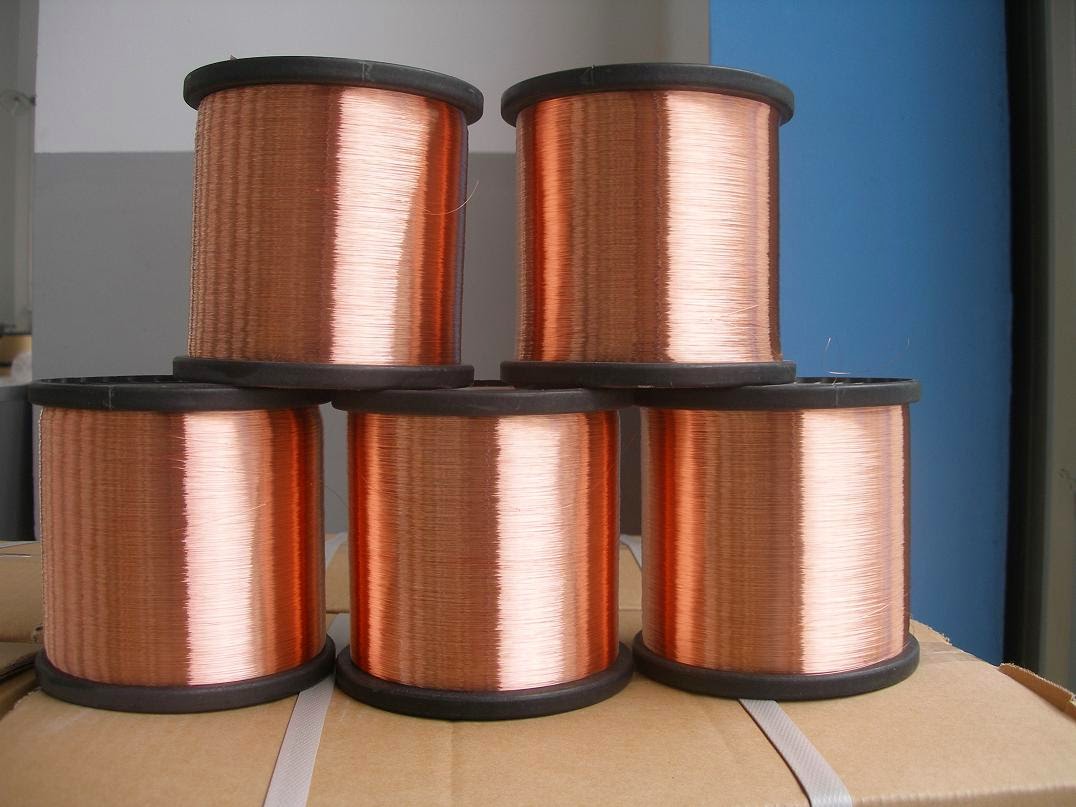
Electrical and industrial systems often require conductors that can handle more than simply carrying current. In equipment where movement, vibration, tight installation spaces, or repeated flexing are involved, the construction of the conductor becomes an important consideration. Braided Copper Wire is designed for situations where electrical conductivity needs to work alongside flexibility and mechanical adaptability.
For electrical manufacturers, OEMs, contractors, engineers, and procurement teams, selecting the right wire involves looking at the complete application rather than choosing a product based only on size or price. Material quality, construction, flexibility, dimensions, supply consistency, and application requirements all need consideration. Ganpati Wires provides quality-focused copper wire solutions for businesses with specific industrial and electrical requirements.
What Is Braided Copper Wire?
Braided Copper Wire consists of multiple copper strands arranged and interwoven into a braid. Unlike a conventional rigid conductor, this construction allows the wire to bend and adapt more easily to movement within an electrical assembly.
The exact construction can vary depending on the intended application. Factors such as strand arrangement, dimensions, copper material, and overall braid configuration influence how the finished product behaves during installation and operation.
The main attraction of a copper braided wire is its combination of electrical conductivity and mechanical flexibility. This makes it useful in applications where a conventional rigid connection may not provide the required movement or adaptability.
Key Features of Braided Copper Wire
Copper is widely used for electrical conductors because of its good electrical conductivity. When formed into a braided structure, it can also provide useful mechanical characteristics for flexible connections.
Some important features include:
- Excellent electrical conductivity: Copper efficiently carries electrical current, making it suitable for numerous electrical assemblies.
- Flexibility: The braided construction allows the conductor to bend more readily than many rigid connection types.
- Mechanical adaptability: The braid can accommodate movement between connected components in suitable applications.
- Resistance to repeated movement: Properly selected braided constructions can be useful where components experience vibration or regular movement.
- Compact connection capability: Flexible conductors can be helpful where installation space is restricted or components need to move relative to one another.
- Versatile construction: Different sizes and configurations can be selected according to the application's electrical and mechanical requirements.
These characteristics make industrial braided copper wire a practical option for a variety of specialized electrical connections.
Applications of Braided Copper Wire
The application of braided copper wire depends on its dimensions, construction, electrical requirements, and operating environment. It is commonly considered for electrical equipment and assemblies where flexibility is useful.
Typical application areas include:
- Electrical equipment and assemblies
- Switchgear and control panels
- Earthing and grounding connections
- Flexible electrical connections
- Transformers and power equipment
- Industrial machinery
- Electrical and automotive assemblies where flexible connections are required
In machinery and electrical equipment, for example, components may experience vibration or limited movement during operation. A suitably selected flexible copper wire connection can help accommodate this movement without relying on a completely rigid conductor.
However, the correct product should always be selected according to the actual electrical, mechanical, environmental, and installation requirements of the application.
Benefits of Using Braided Copper Wire
One of the biggest practical advantages of Braided Copper Wire is its ability to combine conductivity with flexibility. This is particularly useful when electrical connections need to accommodate movement rather than remain completely fixed.
For manufacturers and installation teams, flexible construction can also simplify routing in certain assemblies. The conductor may be easier to position around components or within areas where a rigid connection would be inconvenient.
Other potential advantages include:
- Easier installation in suitable applications
- Efficient electrical conduction
- Better adaptability to movement and vibration
- Useful flexibility for compact assemblies
- Versatility across different industrial environments
- Potentially more practical connections between moving or closely positioned components
The benefits ultimately depend on selecting a braid that matches the application rather than assuming that one configuration will suit every installation.
How to Choose the Right Braided Copper Wire
Choosing a suitable product requires more than specifying copper wire and a general size. Buyers should provide their supplier with clear technical information so that the recommended construction matches the intended use.
Important factors include:
- Wire dimensions: Specify the required dimensions and tolerances where applicable.
- Copper material: Confirm the required copper grade or material specification for the application.
- Strand configuration: The braid construction can influence flexibility and mechanical characteristics.
- Flexibility requirements: Consider how much bending, movement, or vibration the connection will experience.
- Electrical requirements: The expected current and electrical conditions should be considered during product selection.
- Operating environment: Temperature, moisture, installation conditions, and exposure to other environmental factors may influence the choice.
- Connection type: Consider how the braided conductor will be connected to the equipment or components.
- Quantity and customization: Regular production orders may require specific dimensions, lengths, or configurations.
- Quality documentation: Depending on procurement requirements, inspection records or other product documentation may be needed.
A good Braided Copper Wire supplier should be willing to understand these requirements before finalizing the product recommendation.
Why the Right Braided Copper Wire Supplier Matters
Supplier selection can directly affect production planning and product consistency. For manufacturers purchasing copper braided wire repeatedly, variations in dimensions or construction can create unnecessary quality-control and assembly concerns.
When evaluating an electrical wire supplier, buyers should consider:
- Consistency between production batches
- Material quality and product specifications
- Dimensional accuracy
- Ability to handle custom requirements
- Quality inspection procedures
- Packaging and delivery practices
- Supply continuity
- Responsiveness to technical queries
A supplier that communicates clearly about specifications can make procurement more predictable. This is especially useful for OEMs and manufacturers whose products depend on repeatable component requirements.
Ganpati Wires for Industrial Wire Solutions
Ganpati Wires serves industrial customers seeking quality-oriented wire solutions for electrical and manufacturing requirements. Its approach focuses on understanding customer specifications, maintaining product consistency, and supporting practical sourcing needs.
For businesses evaluating a braided copper wire manufacturer, discussing the application before ordering can help establish the appropriate product requirements. Buyers can communicate their desired dimensions, construction, quantity, and intended use so that the wire solution can be aligned with their specific needs.
For procurement teams, this specification-based approach can also make repeat orders easier to manage and compare.
Also Read :- Why Work with Cadmium Wire Dealers for Earthing Copper Wire?
Conclusion
Braided Copper Wire offers a useful combination of copper's electrical conductivity and the flexibility provided by a braided construction. It can be suitable for electrical equipment, industrial machinery, grounding connections, switchgear, transformers, and other assemblies where flexible electrical connections are required.
The right choice depends on dimensions, material, braid construction, electrical requirements, operating conditions, and installation needs. Working with dependable suppliers such as Ganpati Wires can help businesses source copper wire solutions according to their specific industrial requirements.
FAQs
1. What is braided copper wire used for?
Braided copper wire is used for flexible electrical connections in applications such as electrical equipment, switchgear, control panels, transformers, machinery, and grounding assemblies.
2. What are the benefits of braided copper wire?
Its key benefits include good electrical conductivity, flexibility, mechanical adaptability, and suitability for connections exposed to movement or vibration.
3. How do I choose the right braided copper wire?
Consider the required dimensions, copper material, braid construction, flexibility, current requirements, operating environment, connection type, quantity, and documentation needs.
4. Where is braided copper wire commonly used?
It is commonly used in electrical equipment, industrial machinery, switchgear, control panels, transformers, grounding connections, and selected automotive or electrical assemblies.
5. What should I consider when selecting a braided copper wire supplier?
Evaluate material consistency, dimensional accuracy, customization capabilities, inspection practices, packaging, delivery reliability, technical communication, and supply continuity.
6. Can braided copper wire be customized?
Depending on the supplier's capabilities, braided copper wire may be available in different dimensions and configurations. Buyers should provide their exact technical requirements before ordering.
- Get link
- X
- Other Apps


Comments
Post a Comment