Why Work with Cadmium Wire Dealers for Earthing Copper Wire?

Earthing systems pretty much form the real backbone of electrical safety in houses, plants, and the bigger infrastructure stuff. They give a safe route for fault currents so the energy can go somewhere, and also protect the hardware, while reducing the odds of an electric shock. Of all the materials, copper feels like the obvious winner, because it has great electrical conductivity and it doesn’t corrode easily. And when copper is improved with certain alloys like cadmium, it also picks up more mechanical strength, so it can handle tougher jobs. This is where specialised suppliers really matter, because you can’t just pick any wire and hope for the best.
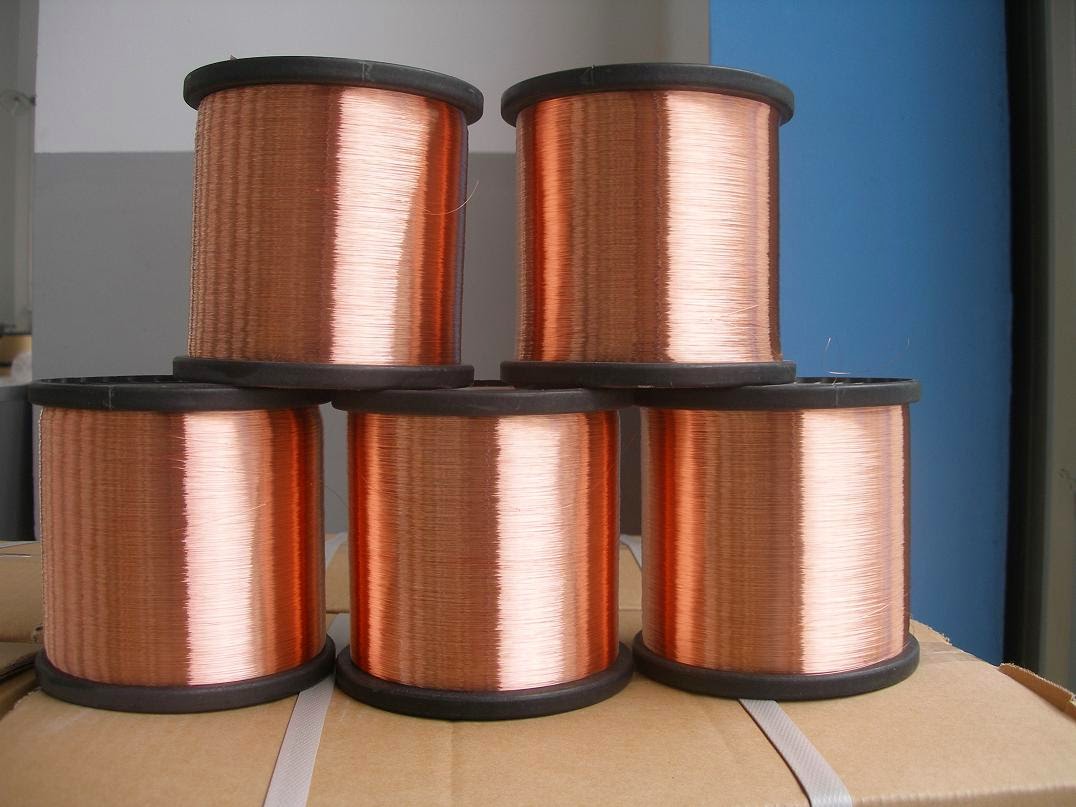
If you zoom in on the basics of earthing copper wire, the whole point becomes clearer. Pure copper conductors bring high conductivity, which helps fault currents dissipate fast into the ground. They also hold up against corrosion in different soil conditions, so the setup stays dependable over time. Still, in places with mechanical stress, like overhead lines, railways, or industrial installations, the “standard” copper sometimes needs reinforcement. Cadmium copper alloys then do the balancing act: they keep a high level of conductivity, while adding better tensile strength and improved resistance to wear. That combination makes them a solid choice for demanding applications.
The Role of Material Quality in Earthing Systems
High-quality earthing materials, they really do influence system performance and safety. Specialists keep repeating that it matters to pick wires that actually satisfy the relevant standards, especially around conductivity, durability and environmental resistance. When the materials are lower than what’s expected, the results are not subtle… higher resistance can creep in, overheating may show up during faults, and premature degradation tends to happen too quickly. If you work with a dealer that knows what it’s doing, you’re more likely to get wires that were tested for those exact properties, and also supported by proper certifications plus alignment with the usual industry norms.
Cadmium Wire Dealers often track down and distribute alloyed variants; they improve performance beyond plain copper basics. These sellers understand the little details tied to different use cases, say residential grounding, or bigger industrial earthing projects. They can recommend appropriate specs, like wire gauge, the stranding style, and alloy composition, adjusted for the specific soil resistivity and the expected load requirements. That kind of help, it prevents the usual mistakes such as using an unsuitable mix that quietly undermines the whole earthing network.
Advantages of Cadmium-Enhanced Copper Wires
Cadmium copper wires hold up decent electrical conductivity while still giving stronger mechanical properties, kind of an overall balance. When cadmium gets added, it helps with hardness and tensile strength, without really making the conductivity drop too much, and that part matters for cables that see vibration, tension, or even harsh weather. So in earthing use cases, this usually means longer service life and better reliability, mainly in overhead runs or areas that stay exposed all the time.
From an academic angle and also an engineering view, these alloys seem to do well under heavy loads. Like, in railway catenary setups or industrial grounding systems, that extra durability tends to cut down how often you have to service things. And for Earthing Copper Wire Dealers, keeping these more specialised wires in stock lets them provide solutions that touch both electrical needs and structural expectations, which helps installations stay safer and work more efficiently.
Also, proper selection doesn’t stop at conductivity. Thermal conductivity, plus corrosion resistance, should be checked too. Copper forms a natural oxide film, and that oxide layer works as a kind of shield in soil, and alloying can fine-tune how effective that protection is. Dealers who have the technical know-how can guide engineers and contractors toward the wire options that fit the project specs, and that supports the total integrity of the whole system.
Why Partner with Specialised Dealers?
Experienced Cadmium Wire Dealers don’t just hand over products; they kinda bring other stuff too. You get real insights into supply chain reliability, steady quality, and technical support, not just a simple shipment. In a space where safety standards keep shifting, and material innovations show up sooner than expected, it helps a lot to have a trusted partner, so access to compliant materials stays on time.
A lot of these dealers stick with manufacturers that follow tight quality controls. That reduces the chance of counterfeit or simply underperforming wires, which can fail during really critical fault events. Plus they usually share informational resources from their side, like data sheets, testing reports, and application guides. Those materials help people making decisions actually rely on evidence rather than guesses.
Also, Earthing Copper Wire Dealers tend to understand local differences pretty well, like soil types, climate behaviour, and the regulatory expectations that come with it. They can suggest earthing setups, such as mixing rods, plates, and conductors to reach the best possible resistance values. It’s more of a consultative approach, and it tends to align with best practices that electrical engineering experts recommend.
Key Considerations for Effective Earthing
When you’re designing an earthing system, it’s never just one thing; it kinda depends on soil resistivity testing, how you pick the electrodes, and then conductor sizing too. In practice, copper-based wires tend to win because they have low resistivity, plus they can cope with high fault currents without too much heating, or at least not as much as some alternatives. A lot of specialised dealers also jump in with helpful advice, especially when someone needs a cadmium-enhanced option for extra mechanical strength, or for that kind of robustness that shows up during installation.
Then there’s installation, because even the best materials can get messed up if the connections aren’t done right. Things like proper bonding techniques, correct burial depths, and solid electrical joints really affect whether the system actually works as intended. Many dealers who supply good components will share what they’ve learned from industry standards and from real job case studies, and that kind of back-and-forth supports contractors and facility managers who want compliant, long-lasting results.
Also, there’s the environmental sustainability angle. Copper is highly recyclable, and responsible suppliers usually put ethical sourcing and waste reduction on their checklist. Picking partners who care about quality basically ties into wider goals - durable infrastructure, fewer replacements over time, and less resource consumption.
Challenges in Earthing Material Selection
One pretty common challenge is trying to juggle cost, performance, and availability at the same time, which sounds easy but it rarely is. Pure copper works well, sure, yet alloyed versions such as cadmium copper sometimes end up being a better value in certain setups, mainly because they can stretch the service life a lot longer. Cadmium Wire Dealers basically help you untangle those choices, offering comparative information and practical options that match both your budget and your performance requirements.
There is also the whole compatibility angle across components. If the conductivity is mismatched, or the corrosion behaviour is off, you can end up with weak points where you least want them. Having a knowledgeable supplier on hand makes the integration feel smoother; they’ll suggest the related pieces too, like clamps, rods, and backfill compounds that pair properly instead of just being “close enough.”
And then maintenance matters, because it’s not only about install day. Higher quality wire tends to reduce how often you need inspections and repairs, so long-term operational costs can drop without drama. A lot of experts say the same thing: investing early in dependable materials tends to pay off later, especially for safety and day-to-day efficiency.
Best Practices from Engineering Experts
Electrical engineering literature kind of underlines the significance of low-impedance routes within grounding systems. Cadmium copper wires seem to back that up, because they give steady output when the circuit is under load, not just in theory. Meanwhile, dealers who specialise in these materials do more than just sell… they also help make sure there’s product traceability and that they stick to the required specifications, for things like overhead conductors or grounding uses where the details matter.
It’s also a good idea to carry out routine checks of earthing resistance. Suppliers can hand over instruments or practical guidance for verification, so system effectiveness doesn’t quietly fade over time. That proactive posture shows the kind of trust specialists have when the source materials are properly documented.
Then there’s the collaboration part: dealers, engineers, and installers all working together to nudge innovation in earthing methods, adapting to current electrical expectations such as renewable energy tie-ins or smart grid setups.
Conclusion
Effective earthing systems protect lives, devices, and operations in a very direct way; they do it by giving dependable fault current routes. Copper wire, especially that reinforced with cadmium to get extra strength, feels like a careful option for quite a few uses. Working with Cadmium Wire Dealers and Earthing Copper Wire Dealers, you can usually get real quality materials along with practical know-how, plus solutions that fit the situation, not just a generic bundle.
When you focus on smart selection and you lean on professional partners, it becomes easier to build resilient networks that are firmly rooted in proper engineering thinking. That way, the system doesn’t just match today’s rules; it also stays ready for what comes later, which quietly highlights how important supplier expertise is for the whole electrical infrastructure.
FAQs
1. What makes cadmium copper wire different from standard copper wire for earthing?
Cadmium copper wire combines high electrical conductivity with greater mechanical strength and durability, making it suitable for applications requiring resistance to wear and tension while maintaining effective grounding performance.
2. How do Cadmium Wire Dealers ensure product quality?
Reputable dealers work with certified manufacturers, provide material test reports, and ensure compliance with industry standards, helping customers select wires that meet project-specific safety and performance requirements.
3. Why is copper preferred for Earthing Copper Wire applications?
Copper offers excellent conductivity, corrosion resistance, and longevity in soil environments, allowing fault currents to dissipate safely and reliably over extended periods.
4. Can specialised dealers help with custom earthing solutions?
Yes, many Earthing Copper Wire Dealers offer guidance on wire sizing, alloy selection, and system design based on soil conditions, load requirements, and regulatory standards.
5. What are the long-term benefits of using high-quality wires from trusted dealers?
Reduced maintenance, enhanced safety, lower risk of system failure, and better overall value through durable performance in demanding electrical installations.


Comments
Post a Comment