Wires and their terminology explained
If you have your house constructed, you must have come across the electric wiring personnel spell out some words such as ‘Wire Gauge’, Ampere, Watts etc. that may have also bewildered you. At that time, you may have nodded your head giving an impression that you understand those power related jargons. However, do you actually know what these are and what these mean in practical life?

Wire gauges
This is actually a term for the grades of wires and capacity of wires. A Gauge of a wire, in layman’s language is the thickness of the wire or the size of the wire. There are various Gauge of wires available which support different power loads. For example a 6 gauge wire can withstand a load of up to 50 Ampere which means that this wire is appropriate for heavy power usage equipment such as air conditioner, geyser etc. Similarly, a lower gauge wire would support lower load equipment. Thus it is important that proper gauge of cables should be put to proper load. If a lower gauge wiring is subjected to higher load then it may melt and lead to short-circuit. Besides, the quality of the fitting should also match with the type of equipment it is meant to support.
Ampere
Different equipment at home consume different amount of electricity and hence they should have wires of exact gauge supporting that much load. The ampere of an equipment are reflected on it. The ampere refer to the amount of current it needs. Thus an equipment requiring 1A will be a less power consuming equipment than a 5A equipment. Also, more the ampere more heavier should be the wiring. Thus, an air conditioner running at 5A requires heavier wires than a mobile charger consuming only 1 or 2 A. Equally important here is that the power socket and switch on the power outlet should match.
Watts
The power consumption by an equipment is measured in watts. An electric bulb may be of 15-500 watts while an air conditioner wattage ranges between 2000-2500W. Thus the more watts, the more power consumption will be done by the equipment. Therefore, if an air conditioner is installed then the wiring also needs to be heavy. A 6-gauge minimum is required. Similarly, a smaller gauge wires would do if the watts of equipment is low. For an electric bulb, even a smaller gauge wire would be ok. Thus, there is a downward compatibility but not upward compatibility. For example, a wire installed for air conditioner can be used to light a bulb but a wire of fewer gauges cannot be used to power an AC.
It is advisable to keep the load in mind while selecting the wires. The best way is to imagine what all the equipments would be used at a place and then calculate the total load. Based on this total load on a particular power outlet, the proper gauge of wires should be used. Besides this, matching switches and sockets should be used so that the power outlet can withstand the power load of the equipments attached to it.
Wire gauges
This is actually a term for the grades of wires and capacity of wires. A Gauge of a wire, in layman’s language is the thickness of the wire or the size of the wire. There are various Gauge of wires available which support different power loads. For example a 6 gauge wire can withstand a load of up to 50 Ampere which means that this wire is appropriate for heavy power usage equipment such as air conditioner, geyser etc. Similarly, a lower gauge wire would support lower load equipment. Thus it is important that proper gauge of cables should be put to proper load. If a lower gauge wiring is subjected to higher load then it may melt and lead to short-circuit. Besides, the quality of the fitting should also match with the type of equipment it is meant to support.
Ampere
Different equipment at home consume different amount of electricity and hence they should have wires of exact gauge supporting that much load. The ampere of an equipment are reflected on it. The ampere refer to the amount of current it needs. Thus an equipment requiring 1A will be a less power consuming equipment than a 5A equipment. Also, more the ampere more heavier should be the wiring. Thus, an air conditioner running at 5A requires heavier wires than a mobile charger consuming only 1 or 2 A. Equally important here is that the power socket and switch on the power outlet should match.
Watts
The power consumption by an equipment is measured in watts. An electric bulb may be of 15-500 watts while an air conditioner wattage ranges between 2000-2500W. Thus the more watts, the more power consumption will be done by the equipment. Therefore, if an air conditioner is installed then the wiring also needs to be heavy. A 6-gauge minimum is required. Similarly, a smaller gauge wires would do if the watts of equipment is low. For an electric bulb, even a smaller gauge wire would be ok. Thus, there is a downward compatibility but not upward compatibility. For example, a wire installed for air conditioner can be used to light a bulb but a wire of fewer gauges cannot be used to power an AC.
It is advisable to keep the load in mind while selecting the wires. The best way is to imagine what all the equipments would be used at a place and then calculate the total load. Based on this total load on a particular power outlet, the proper gauge of wires should be used. Besides this, matching switches and sockets should be used so that the power outlet can withstand the power load of the equipments attached to it.

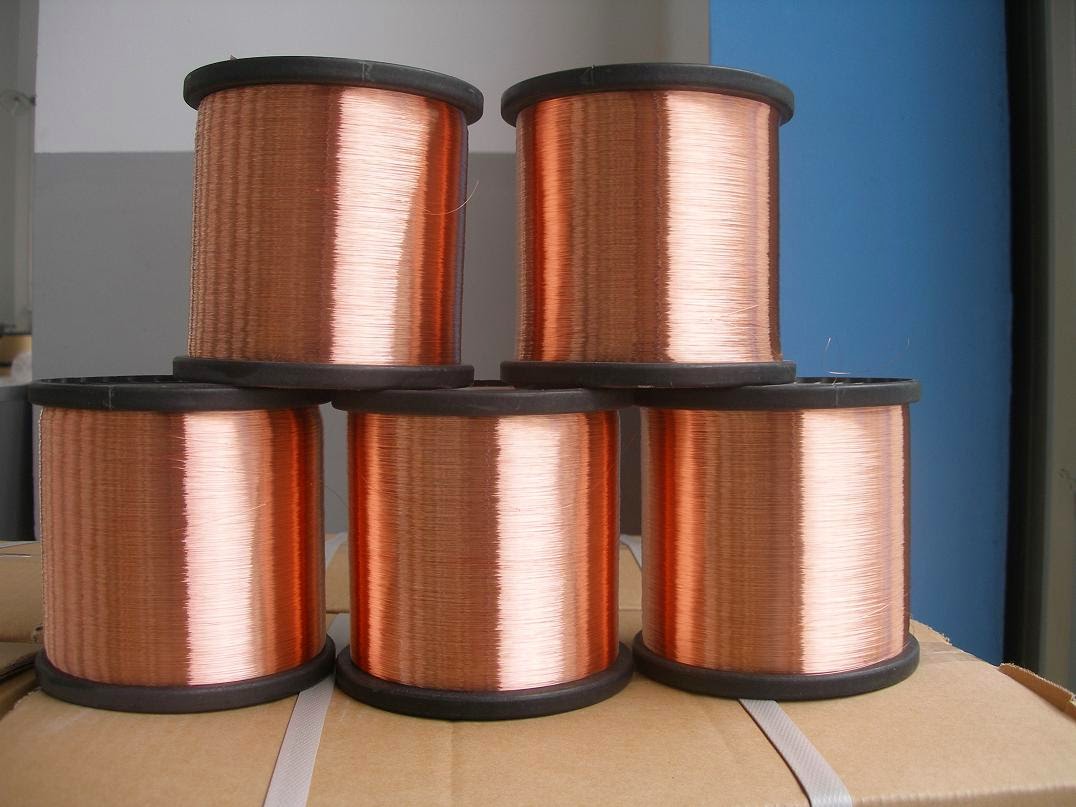
Neon Cables Pvt. Ltd. is a trusted name among Flexible House Wire Manufacturers, offering high-quality, durable, and flexible wiring solutions. Their wires are designed to provide excellent electrical conductivity, safety, and flexibility for various residential applications, ensuring reliability and performance in every home.
ReplyDeleteFinding a reliable Copper wire Manufacturer India is essential for industries looking for high-quality electrical solutions. Indian manufacturers are known for producing durable, high-conductivity copper wires that meet international standards. From electrical wiring to industrial applications, copper wires offer excellent performance, flexibility, and long service life, making them a trusted choice across multiple sectors.
ReplyDeleteFor more visit below links
Stranded copper wire Manufacturer India
Tin coated copper wire Manufacturer India
Braided tin coated copper wire Manufacturer India
Stranded tin coated copper wire Manufacturer India
When looking for a trusted Tin Coated Copper Wire Manufacturer India, quality and performance are the most important factors. Tin coated copper wires offer excellent conductivity, corrosion resistance, and durability, making them ideal for electrical, automotive, and industrial applications. Choosing an experienced manufacturer ensures high-quality products that meet industry standards and deliver long-lasting performance. A great solution for businesses seeking reliable wiring components.
ReplyDeleteFor more visit below links
Braided tin coated copper wire Manufacturer India
Stranded tin coated copper wire Manufacturer India
Braided copper connectors / jumpers Manufacturer India
Laminated copper connectors / jumpers Manufacturer India
Tinsel lead wire Manufacturer India
This comment has been removed by the author.
ReplyDelete